
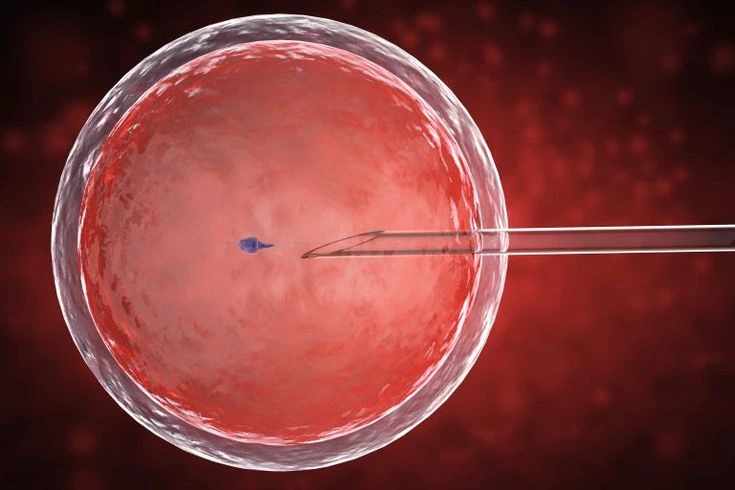
Only the doctors are invited to the IVF training? In this blog, we can find out what type of people can undertake an embryologist course, the eligibility criteria, and how scientists and medical students can pursue a career in IVF laboratories.
There is one thing which many students are very sure about:
“IVF training is only for the doctors”.
This is among the largest myths in the fertility aspect.
The reality is in the fact that IVF labs require well-trained embryologists, and the doctors are not the only members of the team. Students of other backgrounds can create a successful career with the help of the right embryologist course and the IVF training.
It is time to put a stop to confusion.
What Is an Embryologist?
An embryologist is a person based in the IVF lab. Their primary task is to work with gametes and embryos with a lot of care.
Daily work includes:
- Handling eggs and sperm
- Fertilisation procedures are in support.
- Surveillance of embryo development.
- Upkeeping the standards of IVF labs.
This position requires accuracy, patience and dexterity in the laboratory and no longer requires a medical degree.
Is IVF Training Exclusive to the Doctors?
In short, we can say no.
Embryology is a science profession in the lab, whereas doctors are significant in the IVF treatment. The reason behind this is the employment of non- doctor trained embryologists in many IVF clinics.
What matters most is:
- Your educational background.
- Your lab training
- Your practical experience
This position is taken by a good embryologist with an IVF training course.
Who Can Really join an Embryologist Course?
Life Science Graduates
Students with degrees in:
- Biotechnology
- Microbiology
- Biochemistry
- Genetics
- Zoology or related fields
These students already have knowledge of cell biology and embryo development, which helps them learn in an easier way.
Allied Health Professionals & Medical
- MBBS graduates
- BDS, BAMS, BHMS
- Nurses and related health care workers.
To them, the IVF training will introduce new specialised skills in the labs to synthesise with their clinical knowledge.
Biological Sciences Postgraduates
Students who have MSc or MPhil degrees tend to select embryology because of:
- Career specialization
- IVF lab roles
- Research-oriented pathways
An embryologist’s course is organised to assist them in their transition between theory and actual laboratory work.
Skills excel more than credentials
In IVF labs, clinics look for:
- Steady hands
- Attention to detail
- Lab discipline
- Embryo development knowledge.
Students who pass through the proper training in IVF and demonstrate confidence in the laboratory work are compared to other student
who has strictly academic knowledge.
What IVF Clinics are really looking for?
IVF centres usually check:
- Quality of the embryologist course taken.
- Exposure to hands-on IVF training.
- Knowledge of lab procedures.
- Challenge of constantly learning.
They do not choose the candidates purely because they are doctors.
Is it possible for Freshers to become embryologists?
Yes – with the correct expectations.
Freshers need:
- Firm background with a course in embryology.
- Supervised IVF training
- Patience in early learning.
The development of embryologists is likely to be the same as how embryos developed step by step in the laboratory.
The Reason Why It Matters to Choose the Right Course.
The Reason Why It Matters to Choose the Right Course.
Not all courses are the same.
An excellent embryology course would involve:
- Core IVF theory
- Practical IVF training
- Embryo development stages exposure.
- Lab safety and ethics
This combination creates confidence and actual employability.
Conclusion
The success of IVF is not about one profession. It is about the doctors, embryologists, and lab teams collaborating. You may become an IVF trainer or an embryologist regardless of whether you are a doctor or not.